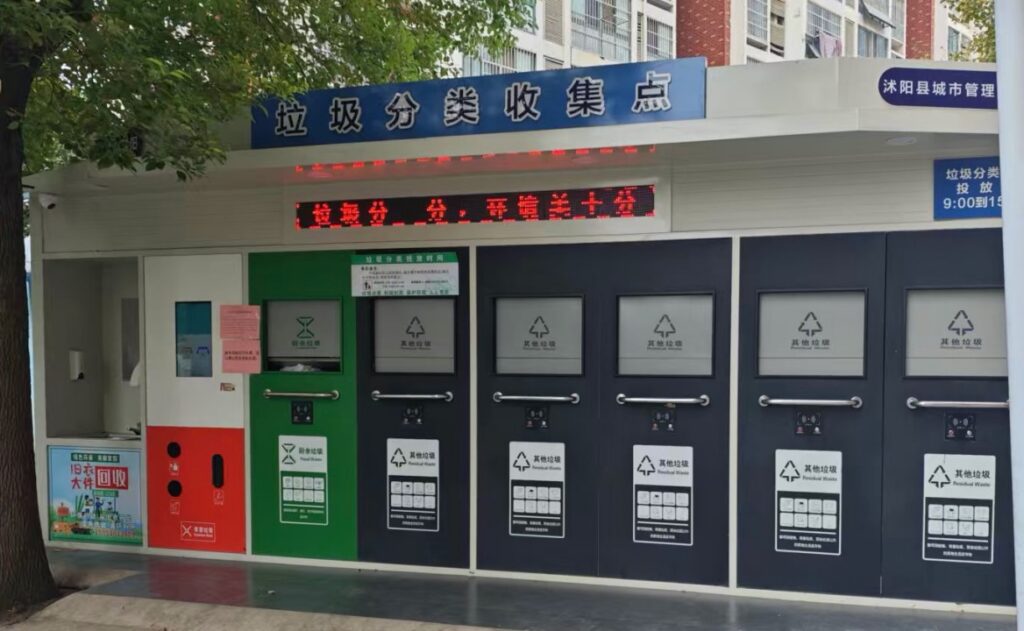
Waste Segregation Elevated as a Key Focus of Urban Renewal
Beijing, 23 December 2025 — The National Urban–Rural Housing and Construction Work Conference was held in Beijing from 22 to 23 December 2025. The conference comprehensively reviewed the achievements in 2025 (during the 14th Five-Year Plan period), setting out the priority tasks for 2026 and the upcoming 15th Five-Year Plan period.
A key highlight of the meeting was the clear positioning of domestic waste segregation as an important component of urban renewal and urban governance, reinforcing the continued national commitment of China to advance Municipal Solid Waste (MSW) management reform.
Waste Segregation Embedded in Urban Renewal Strategy
The conference noted that urban renewal has achieved important progress in 2025. Among the key initiatives were:
- Deepening the implementation of domestic waste segregation
- Conducting targeted rectification campaigns for urban construction waste
This signals that waste segregation has become a critical lever for improving urban living environments and promoting high-quality urban development. By strengthening waste segregation at source and regulating construction waste management, a sustainable urban transformation can be achieved.
Strengthening Urban Governance in 2026
The conference called for “high-efficiency urban governance” when outlining the priorities for 2026, emphasising the effective utilisation of the “One Committee, One Office, One Platform” mechanism and the continued rollout of the “urban management entering communities” initiative. These measures provide an institutional foundation for:
- Normalised and standardised implementation of waste segregation at the grassroots level
- Refined, community-based management of municipal solid waste systems
- Deeper integration of waste segregation with community governance and urban renewal efforts
The direction is clear: transition from campaign-driven initiatives to long-term, systematised governance.
15th Five-Year Plan: Advancing Green and Low-Carbon Transformation
Looking ahead, the conference made clear that the 15th Five-Year Plan period will place stronger emphasis on green and low-carbon transformation, as well as the modernisation of urban governance systems.
Waste segregation will continue to be advanced as an important public livelihood initiative, implemented in a sustained and systematic manner. These efforts will contribute to the development of liveable, resilient and smart modern cities, aligned with broader ecological and governance objectives.
The conference reinforces the strategic role of waste segregation within China’s urban development agenda — positioning it not only as an environmental measure, but as a foundational pillar of modern city governance and sustainable growth.