Smart Management
Aifengchao Smart Management (Big Data Dashboard)
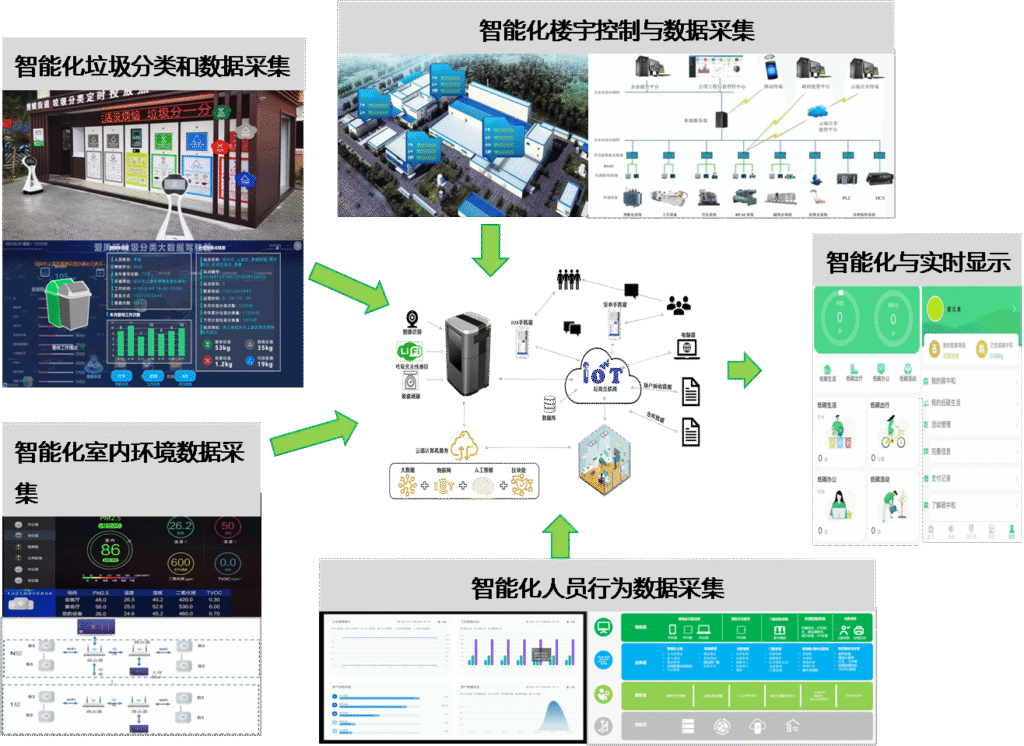
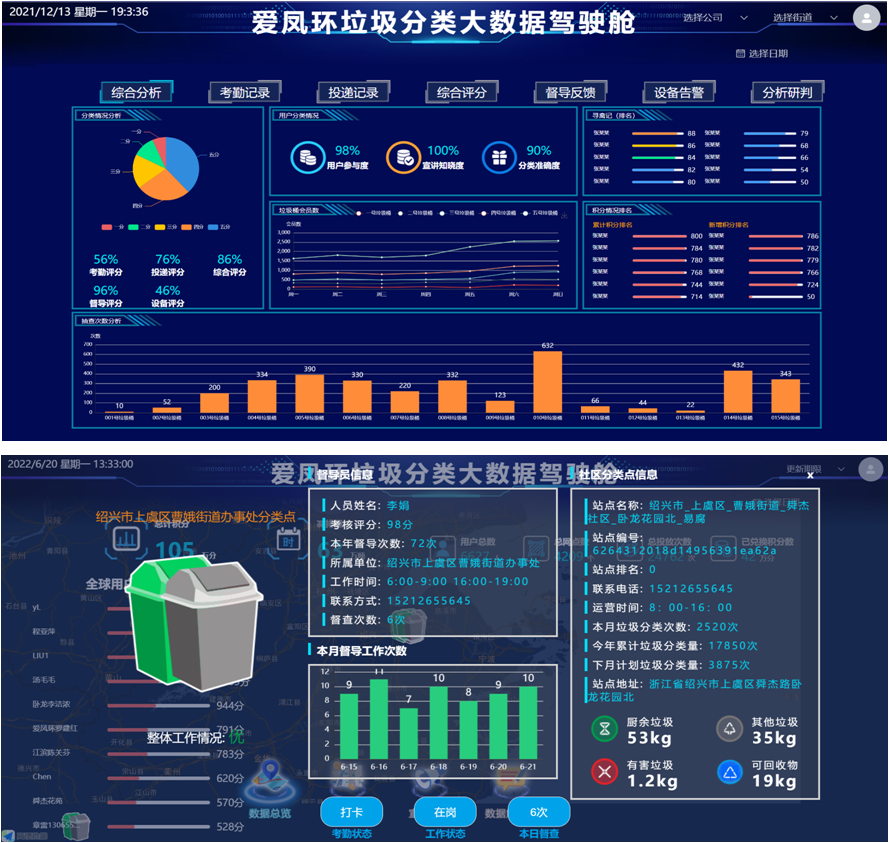
Waste Sorting Big Data Dashboard
- Extend the concept of waste sorting to corporate offices as part of their social responsibility mechanisms.
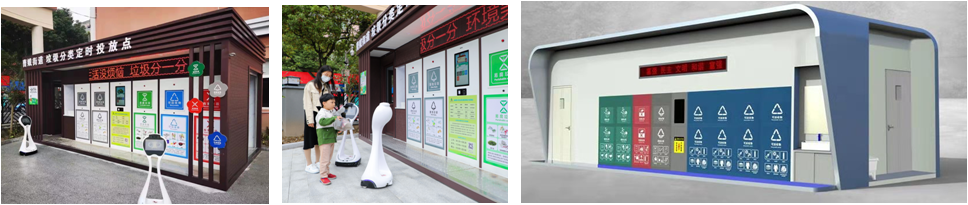
- Supervisor robots can provide a low-cost operational advantage for green office management.
- A lightweight, localized food waste resource recovery system can improve the efficiency of food waste collection, transportation, and processing.
- Promote energy management, water management, indoor environmental management, and ESG management to the existing customer base.
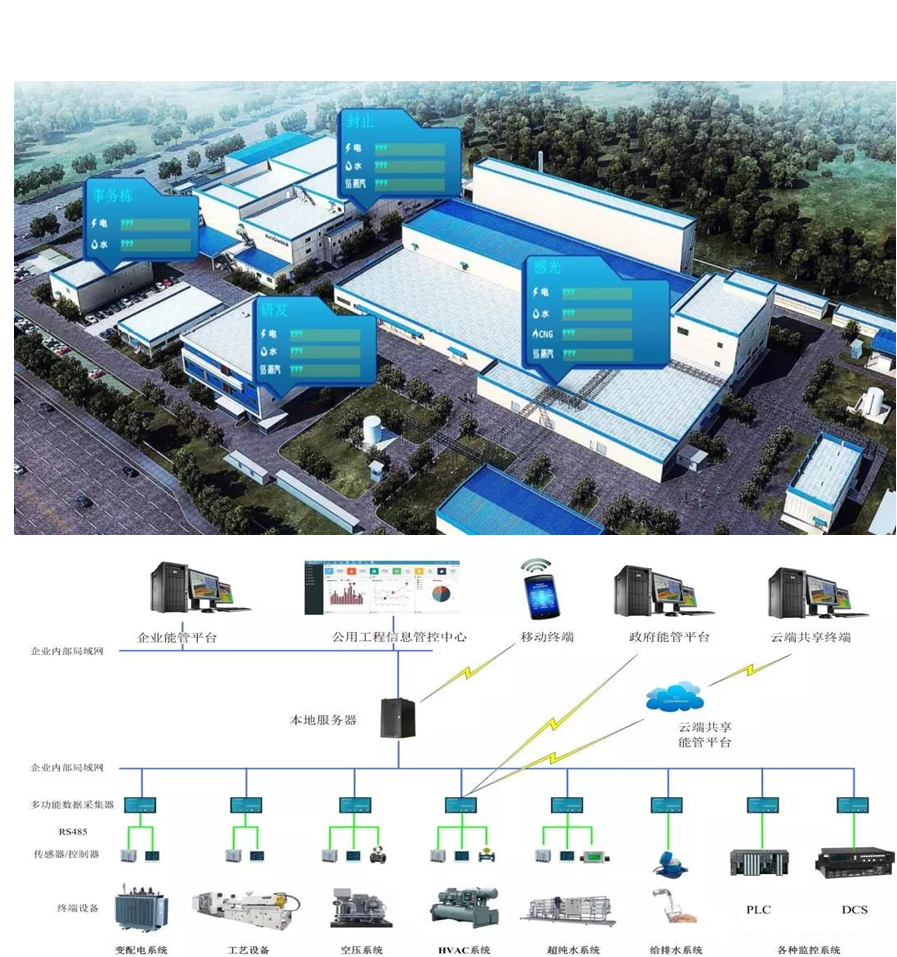
Energy Management (Electricity & Water) Big Data Dashboard
This section focuses on corporate energy consumption and water usage.
Extract energy and water consumption data through newly installed or existing customer energy monitoring systems, and collect and calculate the company’s carbon footprint.
An AI-powered data collection system can simplify the data collection process and reduce labor costs.
Analyze operational data to provide maintenance and optimization solutions that improve equipment efficiency and sustainability while reducing operating costs and carbon emissions.
Increase the use of renewable energy, such as solar and wind power, and establish principles for identifying and procuring sustainable fuels.
Promote sustainable development in industrial parks, such as waste-heat recovery and recycling, as well as water recycling solutions.
Adopt electrified production equipment and electric transportation vehicles.
Optimize logistics operations by allocating storage facilities at the nearest suitable locations.
Implement green building standards, such as China Green Building Certification, LEED, and BREEAM certifications.
Implement ISO certifications and carbon-related certifications to enhance the company’s competitiveness in international markets.
Indoor Environment Big Data Dashboard
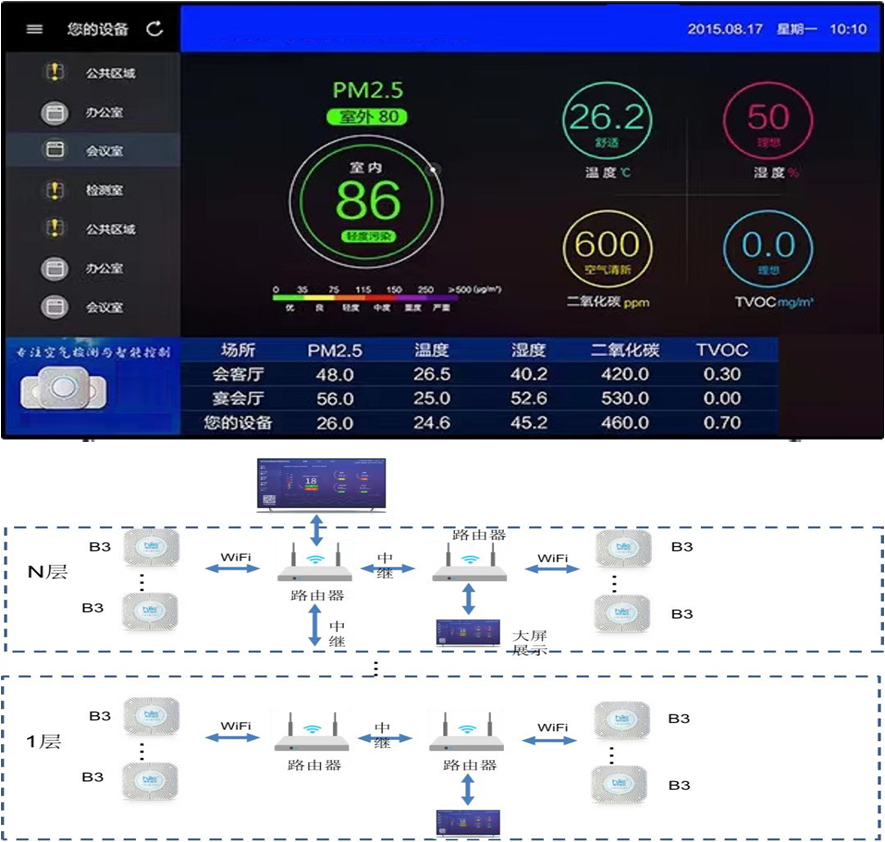
This section focuses on the quality of the indoor and outdoor environment of enterprises.
Extract environmental quality data through newly installed or existing indoor environmental monitoring and outdoor emissions monitoring systems, and collect and calculate the company’s carbon footprint.
An AI-powered data collection system can simplify the data collection process and reduce labor costs.
A good working environment helps ensure employee health, improve work efficiency, and enhance overall corporate productivity.
Implement green building standards, such as China Green Building Certification, LEED, and BREEAM certifications.
Implement ISO certifications and carbon-related certifications to enhance the company’s competitiveness in international markets.
Employee Behavior Big Data Dashboard
This section focuses on individual behavior and employee activities while performing tasks within the enterprise.
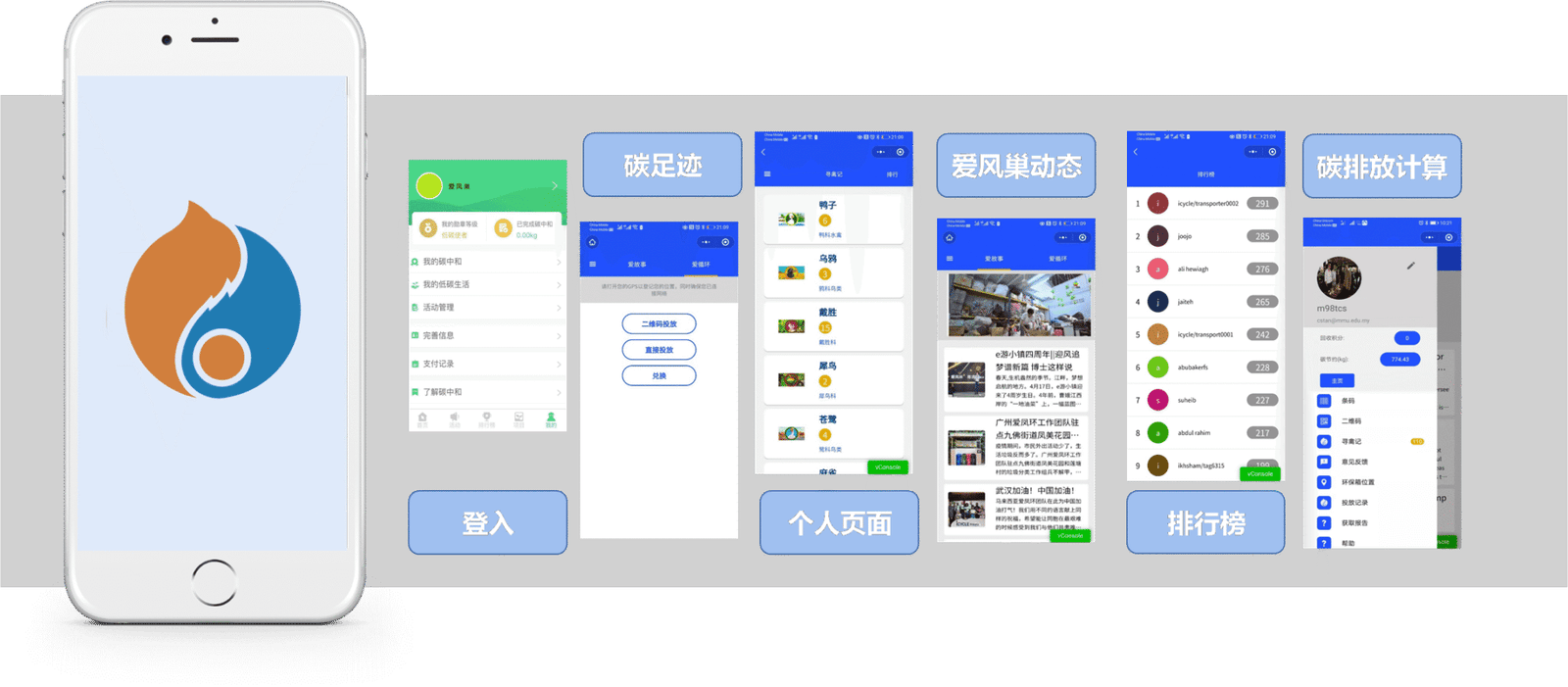
Collect data through newly installed or existing customer systems to track employee behavior and measure their contributions to the company’s carbon footprint reduction initiatives.
Provide employees with training on carbon neutrality and carbon footprints.
Individual behavior is divided into the following four key areas, with data collected and recorded through smart devices and mobile apps:
Waste Sorting – Properly sorting waste or disposing of mixed waste, including dry waste, wet waste (food waste), recyclables, and hazardous waste.
Transportation & Travel – Walking, cycling, electric vehicles, metro/subway, buses, high-speed rail, airplanes, ships, etc.
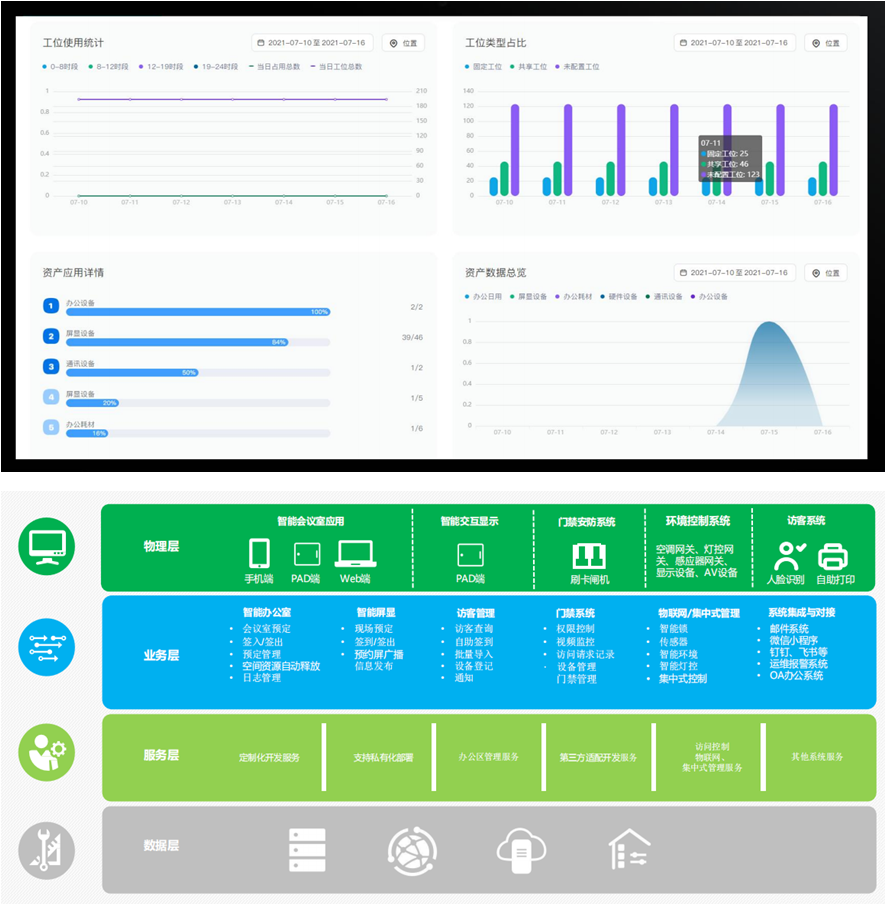
Office Activities – Elevator usage, computer usage, air conditioning, water consumption, electricity used by lighting and office equipment, paper conservation, procurement and use of office supplies, video conferencing, meeting room reservations, visitor management, etc.
Activities & Engagement – Tree planting, recycling of waste or electronic appliances, trading or donating unused items, etc.
Implement ISO certifications and carbon-related certifications to enhance the company’s competitiveness in international markets.
Aifenghuan System Backend Intelligent Technology
Aifenghuan already has leading technologies in VMS intelligent systems and robotic supervision. Through a more intelligent system, data on waste sorting, energy consumption, indoor environmental conditions, and employee behavior can be collected and analyzed in real time to calculate and visualize carbon footprints.
Intelligent and efficient data collection helps address the challenges associated with carbon footprint calculation and verification. It also enables more effective management of individual and corporate carbon footprints, while supporting recognition and acceptance by domestic and international carbon exchanges.